

Dear Ally,
What is the difference between social isolation and loneliness, and why is it important?
Wondering and Alone

___________
Dear Wondering and Alone,
During the COVID lockdown we were physically separate from others We could count on one hand the number of social contacts we had in any given week, often zero and mostly brief and fleeting. Loneliness is a feeling, a perception of being alone.
What we have learned:
- People experiencing loneliness and/or social isolation have a greater risk of developing heart disease or stroke. They have a higher rate of mortality and experience more depression and anxiety.
- In 2020 56% of older adults reported feeling isolated from others compared to a poll taken in 2018-more than double!
- Research shows remaining socially engaged improves quality of life and may even live longer. They have better emotional well-being and mental health. Their health and physical fitness improve. They are more likely to have a sense of purpose and live longer.
What does it mean to be socially engaged?
- Volunteering
- Creative art activities
- Lifelong learning
- Health and Wellness activities
- Knowing how to use the internet and smart phones
- Being involved in the community

Now that you are vaxed and double boosted, have you begun to venture out again? Many older adults are still nervous about going out and getting COVID. 2022 is not 2020. We now have plenty of PPE, vaccines and treatments. We are transitioning from a pandemic to learning how to live with a disease that is endemic, part of us, just like the flu or any other infectious disease. Every person needs to decide for themselves which risks they are willing to take. It is risky to ride in a car, eat in a restaurant, or move furniture-but these are all things that most of us do.
Things are reopening and more and more opportunities to socialize face-to-face are happening. Wear your mask, (I wear an N-95 whenever I go out) and put yourself out in the world. If you need help re-entering your life, help with technology; want to make a plan to become stronger and more physically active, contact us-JFS Allies in Aging Care Management team. We can help you make an aging life plan to live longer and happier in this not quite post-COVID world.
Ally
(With input from JFS Elder Care Solutions expert care managers Eileen, Jennifer, Laila and Malka)

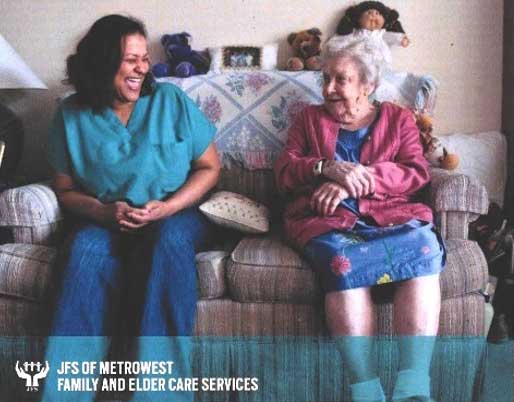 Caregiving demands kindness and radical empathy… Try to imagine that you have dementia, and in your confusion, you don’t know where you are. The familiar house you have lived in for decades appears strange to you, and you want to go home. You are panicked. Only your long-term memory is intact, and you long for your old room in the house you grew up in. As caregivers, our natural impulse is to say, “Honey, we are home. This is our house that we have lived in since 1986! This is not convincing to a person with dementia. If you came upon a stranger who told you they were lost, and wanted to go home, how would you react? Kindly, with reassurance. You might put your arm around them and tell them that you will help them get home or you might say that you will stay with them and not leave them alone. To respond with kindness and patience each time you are asked “When are we going to go home?” as if this is the first time you are hearing this question.


 Question: